
Nov 24, 2025
Best Shoes for Flat Feet in 2026
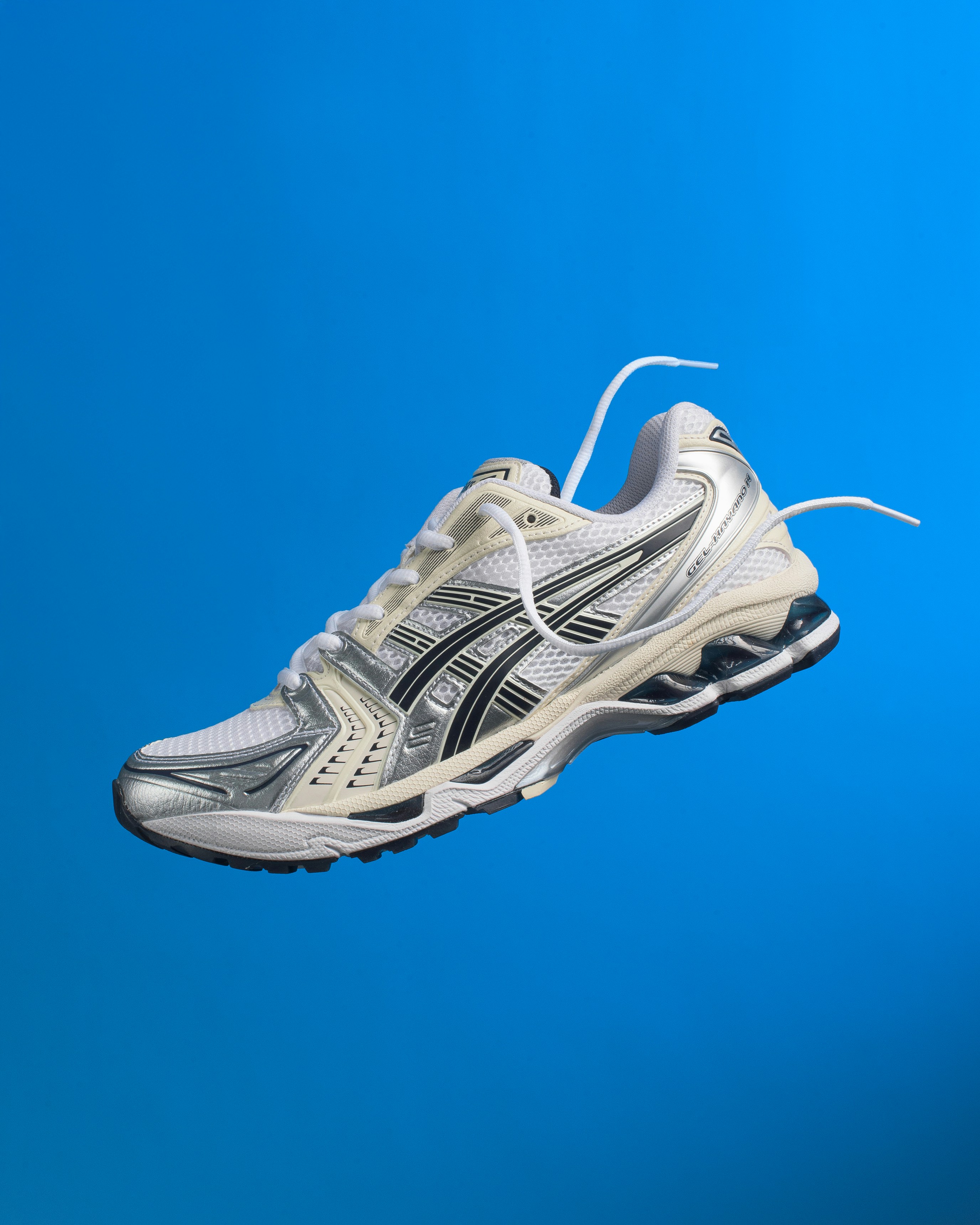
A Complete Guide for Better Support and Alignment in Richmond BC
Flat feet are extremely common, and for many people in Richmond, BC, they can lead to ongoing discomfort in the feet, ankles, knees, hips, and even the lower back. As we discussed in our previous article on custom orthotics, improper foot mechanics can change how your entire body moves. While orthotics help correct the root cause, wearing the right shoes is just as important.
At Proactive Health, we work with clients dealing with flat feet, overpronation, plantar fasciitis, shin splints, and chronic knee pain. One of the first recommendations we make is choosing footwear that supports proper alignment and reduces stress on the body.
This guide explains what features to look for, what to avoid, and which shoe types work best for people with flat feet, whether you’re walking, running, working long shifts, or staying active daily.
Why Shoe Choice Matters for Flat Feet
Flat feet often lead to overpronation, where the ankle rolls inward and the arch collapses during movement. This affects the alignment of the knees and hips, which can lead to:
Heel and arch pain
Plantar fasciitis
Shin splints
Knee discomfort
Hip or lower-back pain
Balance and stability issues
Early fatigue during walking or standing
Wearing the right shoes helps reduce strain, improve comfort, and enhance the effectiveness of your custom orthotics.
Key Features to Look for in Shoes for Flat Feet
1. Strong Arch Support
Good arch support helps maintain proper foot mechanics and reduces excessive rolling inward. This is essential for preventing heel pain, plantar fasciitis, and knee strain.
2. Firm Heel Counter
The heel counter is the back of the shoe. For flat feet, it should be firm and supportive — not soft or collapsible. A stable heel helps control overpronation and keeps your alignment consistent.
3. Wide Toe Box
A roomier toe box allows your toes to spread naturally and prevents pressure on bunions or hammertoes. Squeezing the toes together increases instability and discomfort.
4. Midsole Stability
Look for shoes designed with structured midsoles, motion-control features, or built-in support technologies. These reduce inward rolling and help distribute pressure evenly.
5. Rocker Bottom Sole (Optional)
Rockers help reduce strain on the arch and heel, especially for individuals with plantar fasciitis or midfoot pain.
6. Proper Cushioning
Flat feet often need cushioning that absorbs impact without being too soft. Overly cushioned shoes allow the foot to sink in, worsening pronation.
7. Orthotic-Friendly Design
If you’re using custom orthotics, choose shoes with removable insoles and adequate depth to fit your orthotic comfortably.
Common Shoe Types for Flat Feet
Walking Shoes
Walking shoes often offer firm support, durable midsoles, and heel stability. They're ideal for daily errands, long walks, and standing-heavy jobs.
Running Shoes
Many running brands create motion-control or stability shoes specifically for flat feet. These help maintain proper alignment during impact.
Work Shoes or Safety Shoes
For people who stand long hours or work in labour-intensive jobs, durable soles and strong support are key. Flat feet paired with hard surfaces can quickly lead to knee and hip pain.
Cross-Training or Gym Shoes
Good for varied movements like lifting, classes, and cardio. Look for stable midsoles with lateral support.
The Best Walking Shoes for Flat Feet
To recommend footwear confidently, we prefer to reference independent, lab-based testing rather than marketing claims. One resource we often rely on is RunRepeat’s in-depth analysis of walking and running shoes for flat feet. Their team buys shoes with their own money, wear-tests them (including testers with flat feet), and then cuts them open in the lab to measure:
Stability
Arch support
Flexibility
Cushioning softness/firmness
Outsole durability
Heel structure
Midsole support
This approach gives us objective data to identify shoes that truly support flat feet and reduce overpronation.
Based on RunRepeat’s findings and our clinical insight at Proactive Health, here are five benchmark walking shoe models that consistently perform well for flat feet:
1. Brooks Adrenaline GTS 24 – Best Overall Stability
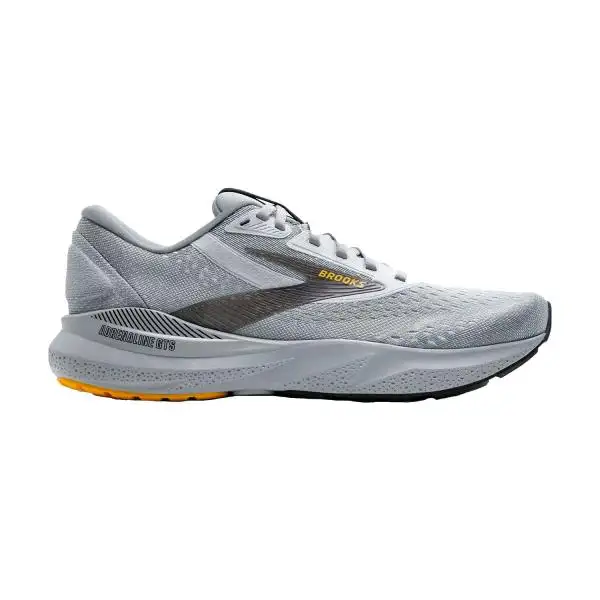
Strong arch support and GuideRails technology offer reliable alignment control for everyday walking.
2. Brooks Glycerin GTS 22 – Best for Shock Absorption
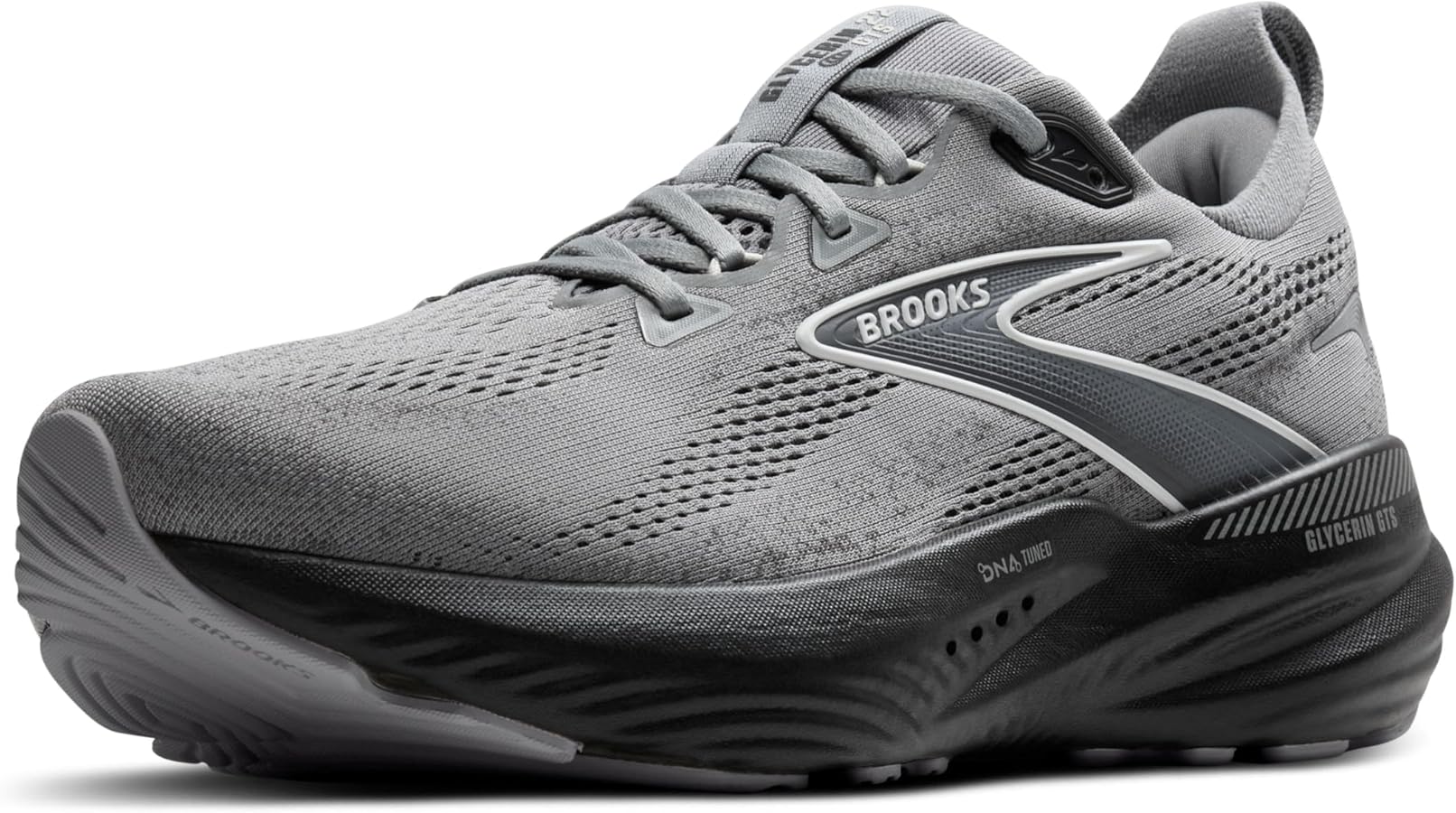
A soft but stable shoe ideal for long days on hard surfaces or for people who walk or stand for hours.
3. ASICS Gel Kayano 32 – Best for Durability
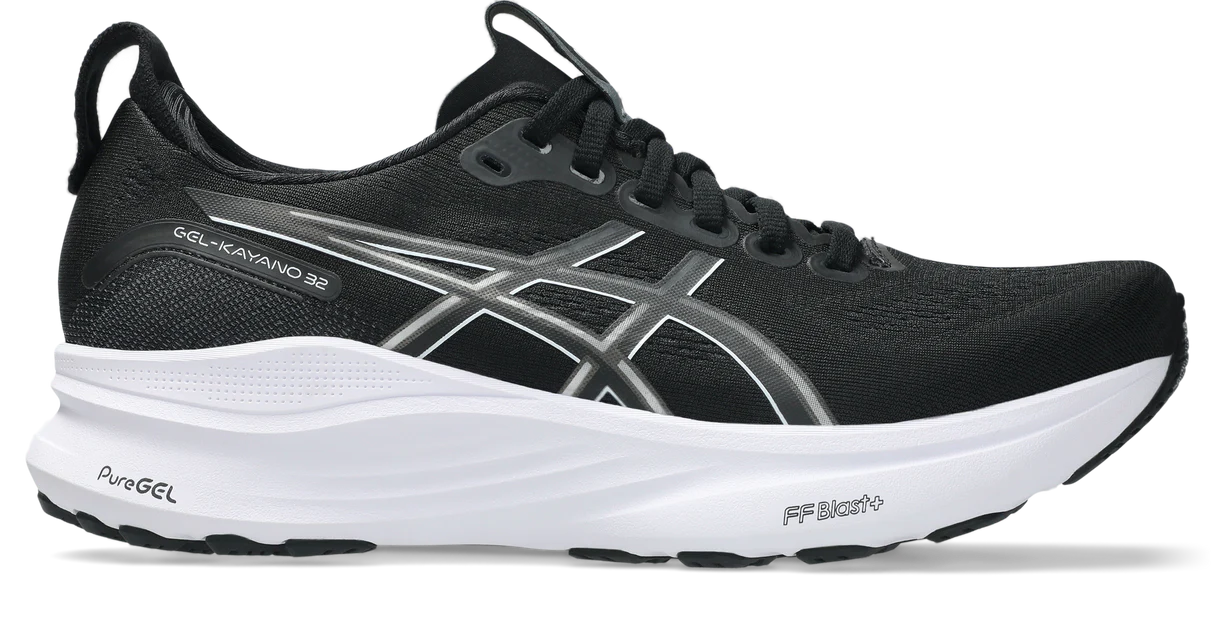
High rearfoot cushioning and a steady platform make it suitable for high-mileage walkers.
4. Hoka Gaviota 5 – Best for Wide & Flat Feet
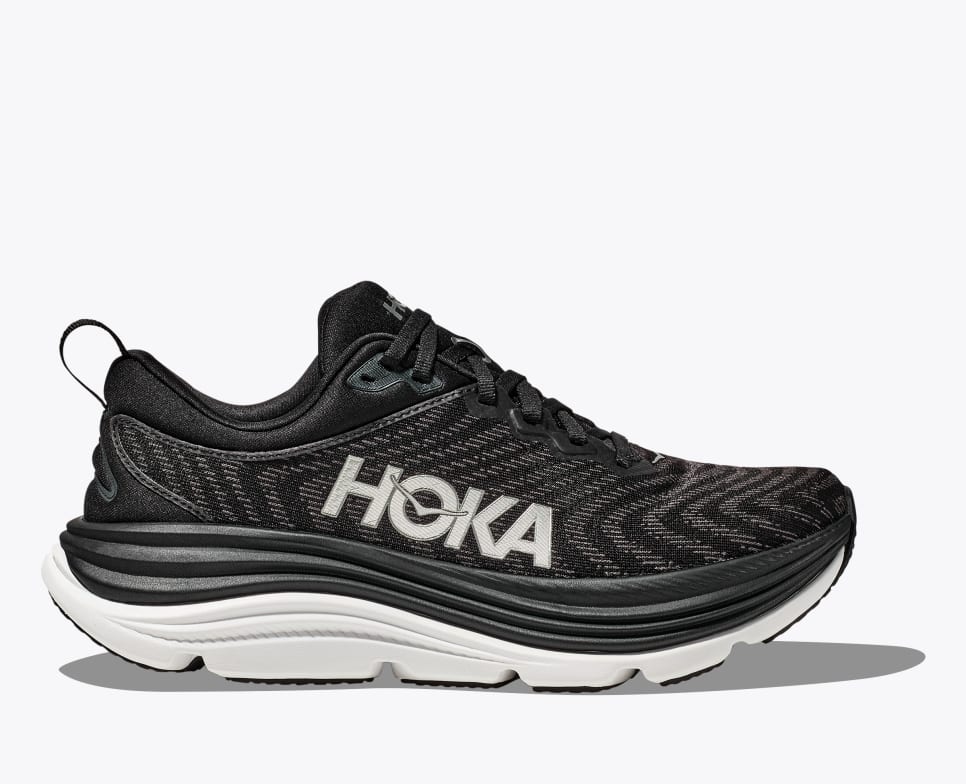
A broad, supportive base with structured guidance—excellent for wider feet that still need stability.
5. Skechers Arch Fit 2.0 – Best Budget Option
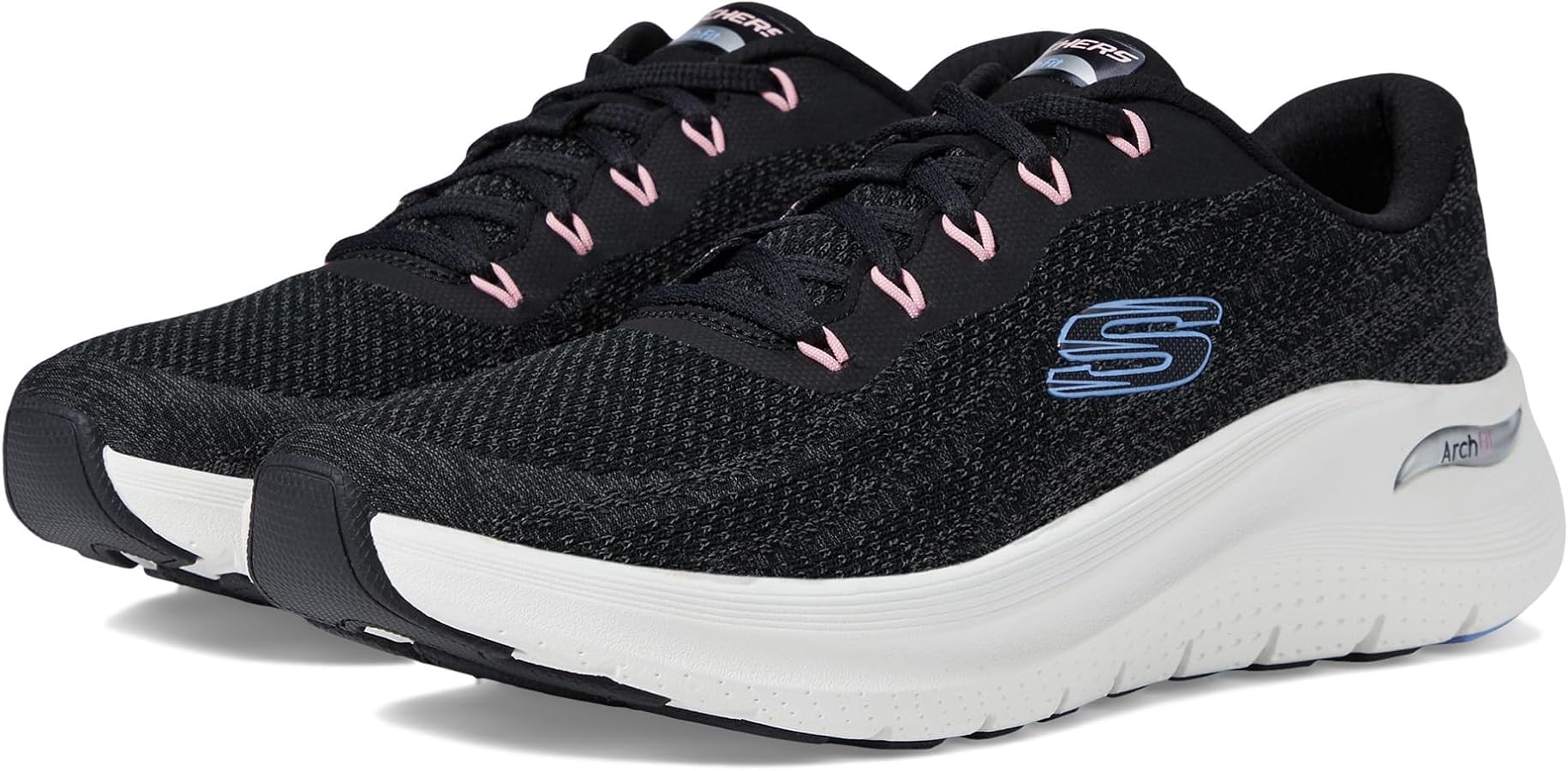
A more affordable pick with decent arch support and a wide, stable platform for casual walking.
These shoes are not the only effective options, but they serve as reliable benchmarks when shopping for supportive footwear.
Why Shoes Alone Won’t Fix Flat Feet (And How Orthotics Fit In)
While supportive shoes go a long way in managing flat feet, it’s important to understand that footwear alone cannot correct collapsing arches. Shoes help reduce symptoms, but they cannot address the underlying biomechanics.
This is why many people continue to experience heel and arch pain, plantar fasciitis, shin splints, knee or hip discomfort, early fatigue, and recurring overuse injuries, even after investing in “good” supportive shoes—because footwear alone can’t correct the underlying mechanics of flat feet.
Custom orthotics fill this gap.
They work inside these supportive shoes to provide precise, personalized structural correction by:
Matching the exact contour of your arch and heel
Reducing excessive pronation more effectively than shoe support alone
Redistributing pressure away from painful areas
Improving ankle, knee, and hip alignment
Enhancing stability during long hours of standing or walking
Think of the combination like this:
The shoe = the foundation
Custom orthotics = the internal alignment
Physiotherapy = the long-term movement retraining
Even the best stability shoes perform significantly better when paired with orthotics that match your unique foot mechanics.
At Proactive Health, we help clients select shoes that work optimally with orthotics by ensuring the footwear has:
Removable insoles
A deep enough footbed
A firm heel counter
A stable midsole that enhances (not fights) the orthotic support
This combination is what leads to lasting comfort and long-term symptom relief.
Shoes to Avoid if You Have Flat Feet
Flip-flops and Unsupported Sandals: These offer little to no arch support and cause fatigue quickly.
Soft, Collapsible Shoes: Slip-ons and minimalist shoes allow excessive pronation, worsening pain and instability.
High Heels: Heels shift weight forward, increasing pressure on the toes, arches, and knees.
Worn-Out Shoes: Shoes with uneven wear patterns accelerate pronation and joint strain.
The Best Combination: Supportive Shoes + Custom Orthotics
Shoes alone can only do so much. The most effective setup for flat feet is:
Supportive shoes + custom orthotics + physiotherapy-based movement correction
This combination helps:
Improve alignment
Reduce joint stress
Prevent knee and hip pain
Support long-term mobility
Minimize flare-ups of plantar fasciitis or shin splints
If you haven’t read it yet, our previous blog explains how custom orthotics for flat feet work and why they’re often necessary for long-term relief.
When to See a Professional for Flat Feet
You may benefit from an assessment with a physiotherapist or orthotics provider if you notice:
Persistent arch or heel pain
Knee discomfort that worsens with walking
Hip or lower back tension
Instability or imbalance
Frequent shin splints
Pain after standing for long hours
Difficulty finding comfortable shoes
Proper assessment ensures you have the right footwear and orthotics for your unique biomechanics.
How Proactive Health Helps People With Flat Feet in Richmond, BC
At Proactive Health, we combine custom orthotics, physiotherapy, kinesiology, and RMT to help clients overcome flat feet–related pain and movement issues. Our approach includes:
Detailed gait and posture assessments
Recommendations for footwear and daily habits
Custom orthotics tailored to your foot mechanics
Strengthening programs for feet, ankles, hips, and knees
Treatment plans designed to improve long-term mobility and comfort
Whether you’re walking, running, or working long shifts, having the right shoes — and the right support — makes a major difference.
Book An Appointment Today
Choosing the best shoes for flat feet can significantly improve comfort, alignment, and movement. When paired with custom orthotics and proper physiotherapy guidance, the right footwear can help prevent pain and support healthier biomechanics from the ground up.
If you’re unsure which shoes are right for you or want to explore whether orthotics may help, our team at Proactive Health in Richmond, BC can guide you through every step.