
Jan 17, 2026
Kinesiology Tape: What Is It, How It Works, and Benefits
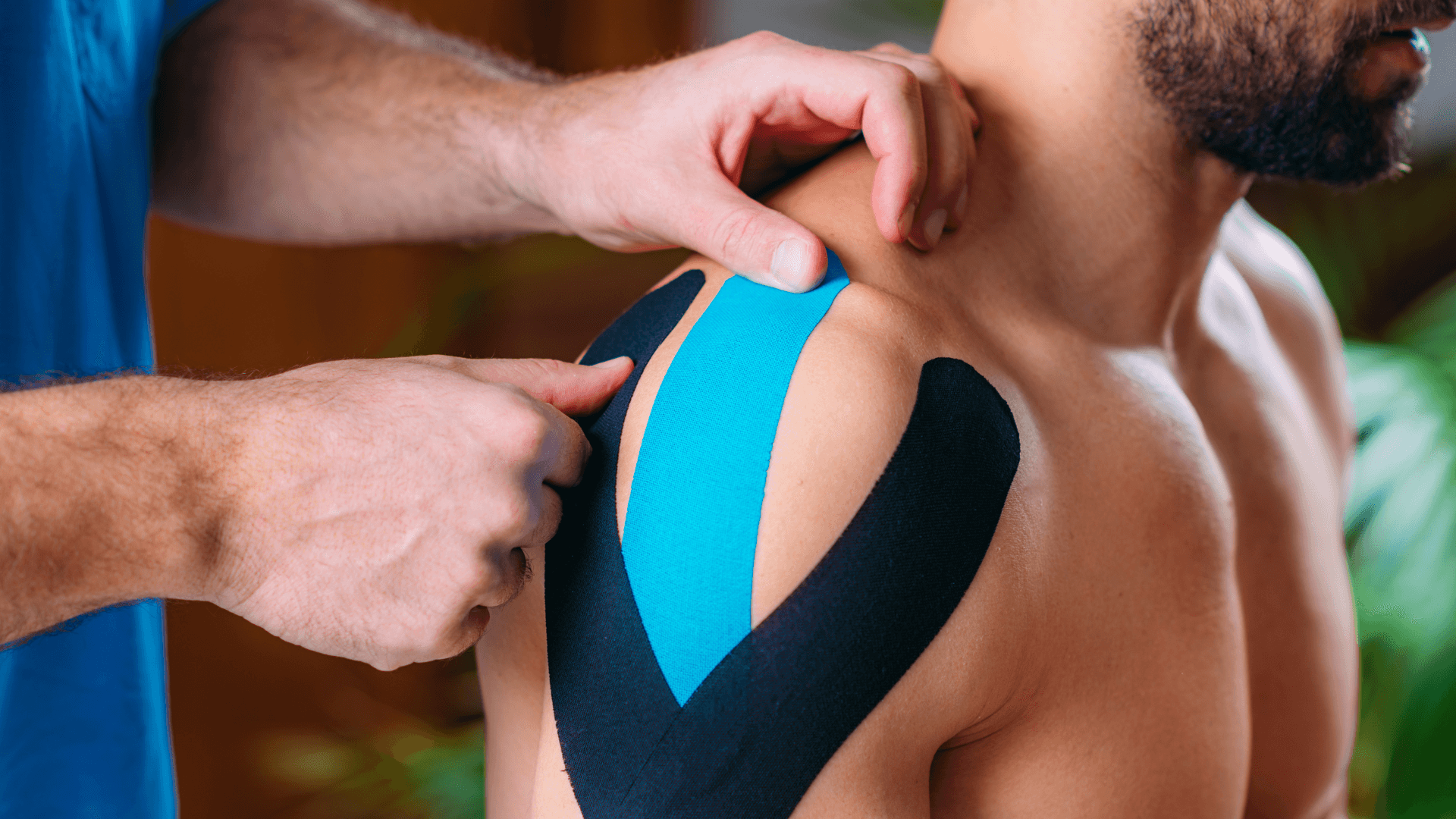
Kinesiology Taping in Physiotherapy Treatment
Kinesiology tape is a commonly used treatment tool in modern physiotherapy, especially for sports injuries, pain management, and movement support. When applied correctly by a trained physiotherapist, kinesiology taping can help reduce pain, improve muscle activation, support injured tissues, and enhance recovery—without restricting movement.
At Proactive Health, our team of experienced physiotherapists in Richmond regularly use kinesiology tape as part of comprehensive physiotherapy treatment plans tailored to each patient’s condition and goals.
What Is Kinesiology Tape?
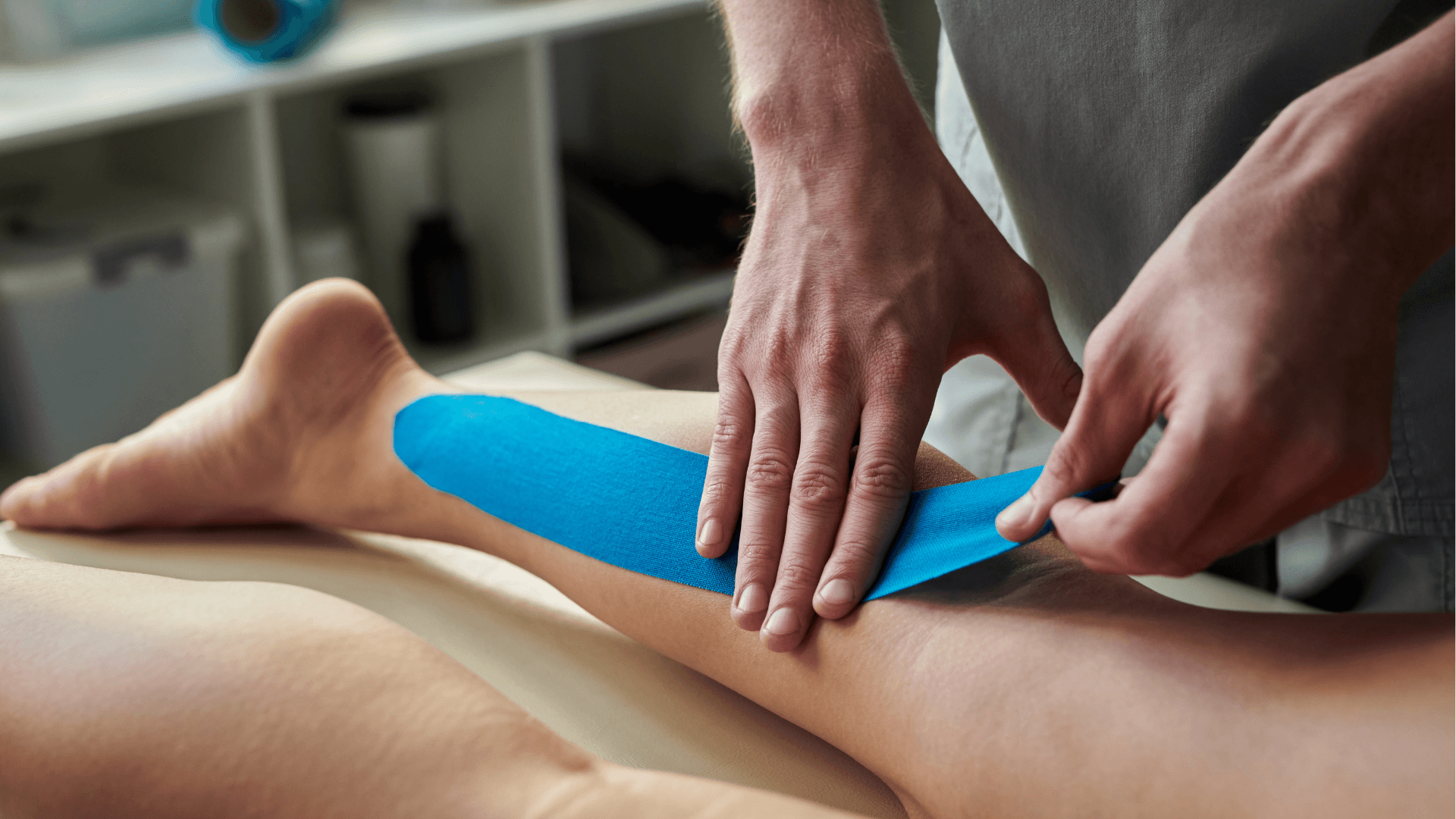
Kinesiology tape is a flexible, elastic therapeutic tape designed to mimic the natural stretch of human skin. Unlike rigid athletic tape, kinesiology tape allows full range of motion while providing light support to muscles, joints, and connective tissue.
It is commonly used in physiotherapy to:
Support injured or overworked muscles
Improve joint alignment and movement patterns
Reduce swelling and inflammation
Enhance proprioception (body awareness)
How Kinesiology Tape Works
Kinesiology tape works through several interconnected physiological mechanisms:
1. Skin Lifting and Circulation
When applied with appropriate tension, the tape gently lifts the skin, creating more space between the skin and underlying tissues. This may help:
Improve blood flow
Support lymphatic drainage
Reduce pressure on pain-sensitive structures
2. Neurological Feedback
The tape stimulates sensory receptors in the skin, providing constant feedback to the nervous system. This can:
Improve muscle activation or relaxation
Enhance coordination and movement control
Help retrain faulty movement patterns
3. Mechanical Support Without Restriction
Unlike braces or rigid taping, kinesiology tape provides light mechanical assistance while still allowing natural movement—ideal for rehabilitation and return-to-activity phases.
Different Types of Kinesiology Tape
Not all kinesiology tape is the same. Physiotherapists choose tape based on the patient’s condition, skin sensitivity, and treatment goals.
Standard Cotton Kinesiology Tape
Most commonly used in physiotherapy
Breathable, flexible, and skin-friendly
Suitable for most musculoskeletal conditions
Synthetic or Waterproof Kinesiology Tape
Designed for athletes or active individuals
Holds up better with sweating or swimming
Often used in sports physiotherapy
Pre-Cut vs. Roll Tape
Pre-cut strips: convenient for home use
Roll tape: allows physiotherapists to customize length, shape, and tension
How Physiotherapists Use Kinesiology Tape
Physiotherapists apply kinesiology tape strategically based on clinical assessment, injury type, and movement patterns. Tape direction, tension, and placement all matter—this is why kinesiology taping is most effective when applied by trained professionals.
In physiotherapy treatment, kinesiology tape may be used to:
Facilitate or inhibit specific muscle activity
Support joints without limiting mobility
Reduce strain on healing tissues
Assist with posture correction and movement retraining
It is often combined with manual therapy, exercise rehabilitation, and education for best results.
Benefits of Kinesiology Taping in Physiotherapy
When applied by a trained physiotherapist, kinesiology taping can provide meaningful support throughout the rehabilitation process. While it is not a cure on its own, kinesiology tape is commonly used in physiotherapy to complement exercise therapy, manual treatment, and movement retraining. Below are the key benefits of kinesiology taping and how they support recovery and performance.
1. Pain Reduction and Symptom Relief
One of the primary reasons kinesiology tape is used in physiotherapy is to help reduce pain. By gently lifting the skin, kinesiology tape can decrease pressure on pain-sensitive structures beneath the surface, including nociceptors (pain receptors).
This decompressive effect may:
Improve local blood flow
Reduce irritation of superficial nerves
Decrease mechanical stress on injured tissues
For many patients, this can result in short-term pain relief that allows them to move more comfortably and participate more effectively in physiotherapy exercises.
2. Improved Muscle Activation and Muscle Inhibition
Kinesiology tape can influence how muscles contract and relax depending on how it is applied. Physiotherapists may use taping techniques to:
Facilitate activation of underactive or weakened muscles
Reduce overactivity or tension in tight muscles
Support muscle coordination during movement
This can be especially helpful for individuals recovering from injury, dealing with postural imbalances, or returning to sport after a period of inactivity.
3. Joint Support Without Limiting Range of Motion
Unlike rigid athletic tape or braces, kinesiology tape provides support without restricting natural movement. This makes it particularly useful during rehabilitation phases where controlled movement is essential.
Kinesiology taping may help:
Improve joint positioning and alignment
Enhance stability during dynamic movement
Reduce strain on healing ligaments and tendons
This balance between support and mobility allows patients to remain active while still protecting vulnerable structures.
4. Reduction of Swelling and Inflammation
Kinesiology tape is often used to assist with swelling management following injury or surgery. The tape’s elastic properties can help promote lymphatic drainage by creating small channels that encourage fluid movement away from swollen areas.
Potential benefits include:
Reduced post-injury or post-surgical swelling
Improved circulation to affected tissues
Faster resolution of inflammation-related stiffness
This can support comfort, mobility, and recovery during the early stages of rehabilitation.
5. Enhanced Proprioception and Movement Awareness
Proprioception refers to your body’s ability to sense position, movement, and control. Kinesiology tape provides continuous sensory feedback through the skin, which can improve awareness of joint and muscle positioning.
This enhanced feedback may:
Improve movement efficiency
Encourage better posture and alignment
Reduce compensatory movement patterns
For patients relearning movement after injury, surgery, or chronic pain, improved proprioception can play a key role in long-term recovery.
6. Support During Activity and Return to Sport
Kinesiology taping is commonly used during physical activity and return-to-sport phases of physiotherapy. It can provide reassurance and light support while athletes rebuild strength, confidence, and movement control.
Physiotherapists may use kinesiology tape to:
Reduce fear of movement or re-injury
Support fatigued muscles during training or competition
Assist with gradual return to high-demand activities
This makes kinesiology taping a valuable transitional tool rather than a permanent solution.
7. Improved Tolerance to Rehabilitation Exercises
By reducing pain, swelling, and movement apprehension, kinesiology taping can help patients tolerate physiotherapy exercises more comfortably. This may lead to:
Better exercise compliance
Increased participation in rehabilitation programs
More consistent progress over time
Ultimately, the goal is not to rely on tape, but to use it strategically to support recovery while building long-term strength and resilience.
Kinesiology Tape for Sports Injuries
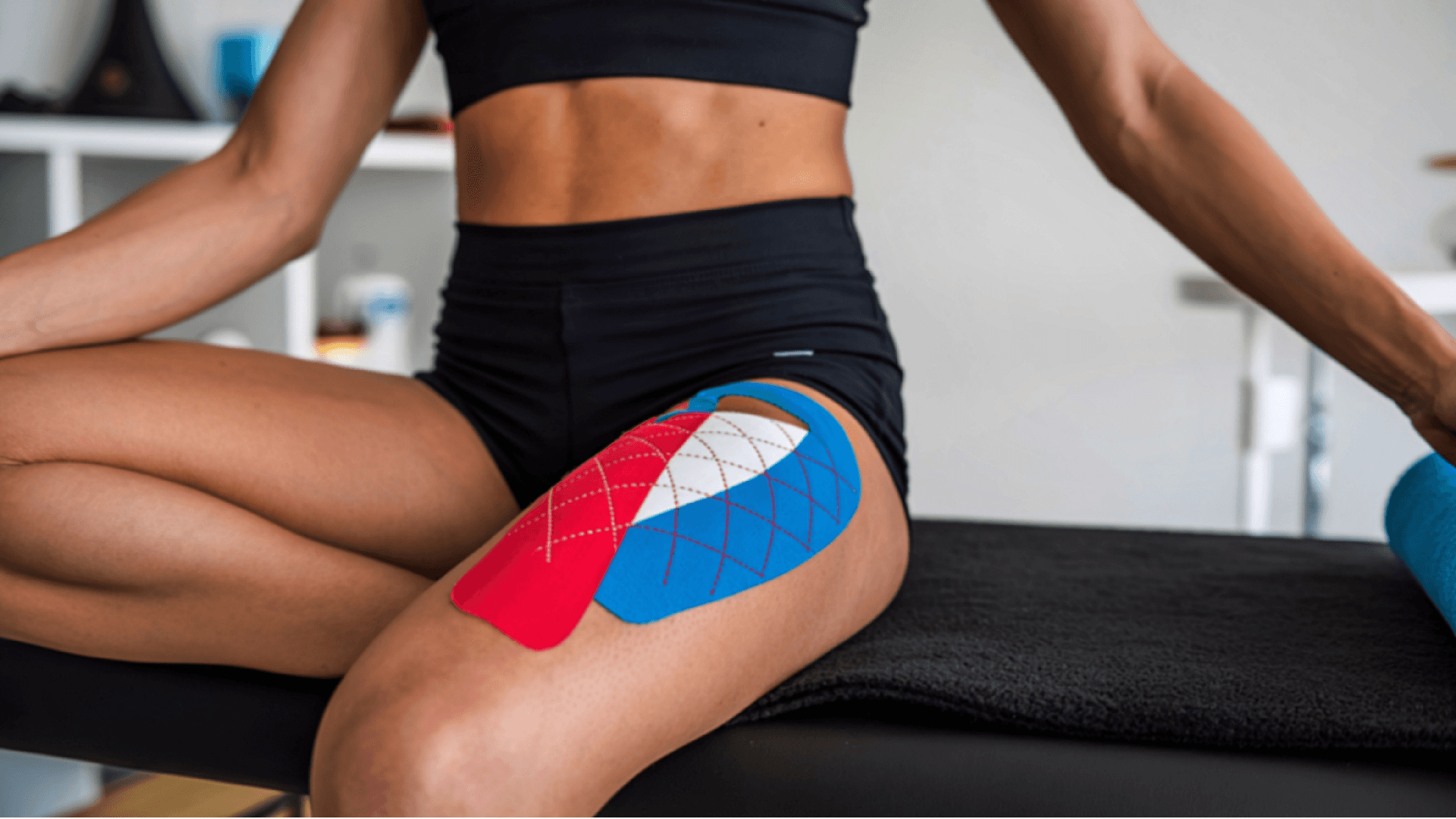
Kinesiology taping is widely used in sports physiotherapy because it supports healing without limiting performance. Athletes may benefit from taping during training, competition, or recovery phases.
Common sports-related uses include:
Sprains and strains
Tendon injuries (Achilles, patellar, rotator cuff)
Knee, shoulder, and ankle instability
Muscle fatigue and delayed onset muscle soreness (DOMS)
Supporting joints during high-demand activity
Managing inflammation after games or workouts
Athletes often benefit from taping during training or competition as part of an injury prevention or return-to-sport strategy.
How to Use Kinesiology Tape: Step-by-Step Basics
While professional application is ideal, understanding the basics helps explain why technique matters.
General Application Principles
Clean, dry skin (no lotion or oils)
Rounded tape edges to reduce peeling
Correct tension (often less than expected)
Proper direction based on muscle function
Avoid overstretching the tape or skin
Incorrect tension or placement can reduce effectiveness or cause irritation.
While kinesiology tape is widely available, incorrect application can limit its effectiveness or even worsen symptoms. Proper taping technique ensures the tape supports recovery rather than masking underlying issues.
Kinesiology Tape: At-Home Use vs. Professional Application
At-Home Use
Kinesiology tape can be used at home for mild support or short-term relief, especially if:
A physiotherapist has shown you proper technique
The condition is stable and low-risk
Tape is part of an existing rehab plan
However, taping alone should not replace proper assessment or treatment.
With a Physiotherapist
Professional application ensures:
Correct diagnosis and taping strategy
Proper tension and placement
Integration with physiotherapy exercises and manual therapy
This is why physiotherapists in Richmond often use taping as part of a full treatment plan, not as a quick fix.
Safety Considerations and When Not to Use Kinesiology Tape
Kinesiology tape is generally safe, but it is not suitable for everyone.
Avoid or Use With Caution If You Have:
Skin allergies or sensitive skin
Open wounds or skin infections
Circulatory or vascular conditions
Diabetes-related skin issues
If you experience itching, redness, or discomfort, the tape should be removed immediately.
How Long Should You Wear Kinesiology Tape?
Most kinesiology tape applications can be worn for:
3–5 days, depending on skin tolerance and activity level
Physiotherapists may recommend removing the tape sooner if symptoms change or skin irritation develops.
Bracing and Taping in Physiotherapy Treatment
Kinesiology tape is one of many tools used in bracing and taping in physiotherapy treatment. Depending on your condition, a physiotherapist may recommend:
Kinesiology taping for dynamic support
Rigid athletic taping for joint stability
Bracing for higher-level protection or post-injury support
The goal is always to restore movement, strength, and confidence, not long-term dependency on external support.
Book Physiotherapy in Richmond BC
If you’re experiencing pain, recovering from a sports injury, or looking to move better, kinesiology taping may be a helpful addition to your treatment plan. Working with experienced physiotherapists in Richmond ensures taping is applied safely, effectively, and for the right reasons.
At Proactive Health, our Richmond physiotherapy team integrates kinesiology taping into personalized treatment plans focused on long-term recovery, performance, and injury prevention.