
Dec 12, 2025
Laser Therapy for Physiotherapy
Laser Therapy in Physiotherapy: How It Works, Benefits, and What to Know
Laser therapy has become an increasingly common treatment option within modern physiotherapy, particularly for people dealing with pain, inflammation, or slow-healing injuries. Often referred to as laser physiotherapy or low-level laser therapy (LLLT), this non-invasive treatment uses targeted light energy to stimulate the body’s natural healing processes.
For those researching laser therapy in Richmond, understanding how it works and when it’s most effective can help you make informed decisions about your care.
How Laser Therapy Works
Laser therapy uses specific wavelengths of red and near-infrared light that penetrate the skin and interact with underlying tissue. This process, known as photobiomodulation, stimulates cellular activity by increasing energy production within the mitochondria.
As a result, laser therapy helps:
Improve blood flow and oxygen delivery
Reduce inflammation and swelling
Support tissue repair and regeneration
Decrease pain signalling in affected areas
Unlike surgical lasers, therapeutic lasers do not cut or damage tissue. Instead, they support healing at the cellular level, making them suitable for a wide range of musculoskeletal conditions.
Why Laser Therapy Is Used in Physiotherapy
Laser therapy is often used as part of a comprehensive physiotherapy program to support recovery and reduce discomfort, especially when pain or inflammation limits movement.
It is commonly used to help manage:
Muscle strains and ligament sprains
Tendon injuries, such as Achilles or rotator cuff issues
Joint pain and stiffness
Neck and back pain
Sports and overuse injuries
Nerve-related pain and irritation
By reducing pain and inflammation, laser therapy can make it easier for patients to participate in active rehabilitation and progress more efficiently.
What to Expect During a Laser Therapy Session
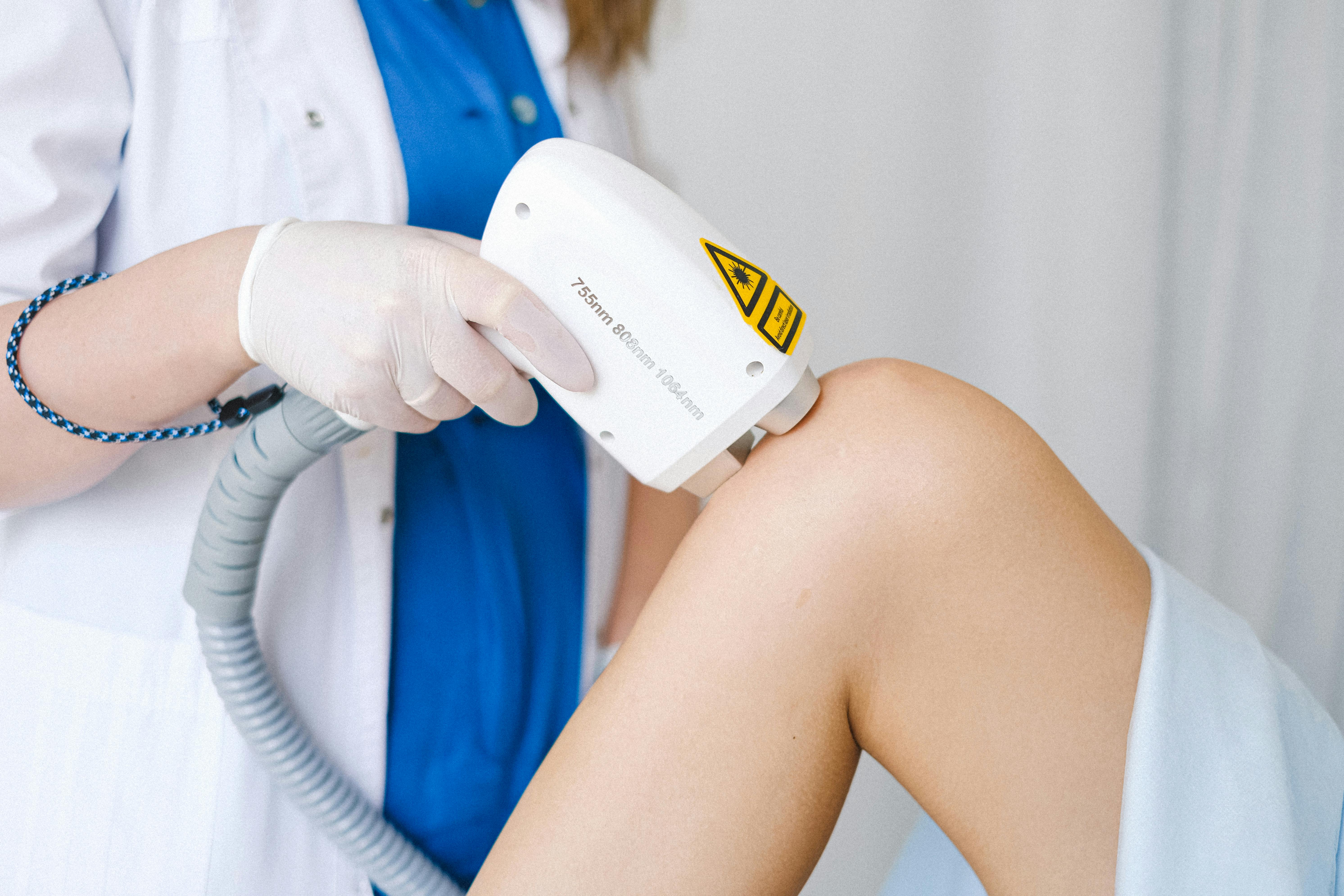
A laser therapy session is typically brief and comfortable. The physiotherapist applies a handheld laser device to the affected area for several minutes. Most people experience little to no sensation, though some report mild warmth during treatment.
There is no downtime following a session, allowing patients to return to daily activities or continue with exercise-based therapy immediately afterward. Depending on the condition, multiple sessions may be recommended to achieve optimal results.
Benefits of Laser Therapy in Physiotherapy
Laser therapy offers a wide range of therapeutic benefits when used as part of a comprehensive physiotherapy program. By working at a cellular level, it supports the body’s natural healing mechanisms rather than simply masking symptoms. This makes it a valuable tool for both acute injury recovery and long-term condition management.
Reduces Pain and Inflammation
One of the most well-known benefits of laser therapy is its ability to reduce pain and inflammation. The light energy helps regulate inflammatory responses by improving circulation and reducing chemical markers associated with pain. This can be especially helpful for individuals dealing with joint irritation, tendon pain, or post-injury inflammation that limits movement and daily activity.
Accelerates Tissue Healing
Laser therapy promotes faster tissue repair by stimulating cellular activity and increasing ATP (cellular energy) production. This enhanced cellular function allows damaged tissues—such as muscles, tendons, ligaments, and connective tissue—to repair more efficiently. As a result, recovery timelines may improve when laser therapy is combined with appropriate rehabilitation exercises.
Improves Blood Flow and Oxygen Delivery
By promoting vasodilation and improving microcirculation, laser therapy helps deliver oxygen and nutrients to injured tissues more effectively. Improved blood flow supports healing while also assisting in the removal of metabolic waste and inflammatory byproducts that can delay recovery.
Supports Nerve Healing and Pain Modulation
Laser therapy can help calm irritated nerves and improve nerve function by influencing how pain signals are transmitted to the brain. This makes it particularly useful for nerve-related conditions, such as nerve entrapments or post-injury nerve sensitivity, where traditional strengthening alone may not be sufficient.
Enhances Mobility and Tissue Flexibility
By reducing inflammation and improving tissue quality, laser therapy can help restore movement in stiff or restricted joints. Improved tissue elasticity and reduced muscle guarding often make it easier for patients to progress through mobility and strengthening exercises during physiotherapy.
Non-Invasive and Drug-Free
One of the key advantages of laser therapy is that it is completely non-invasive and does not rely on medication. This makes it a valuable option for individuals who prefer conservative treatment approaches or who cannot tolerate certain medications due to side effects or medical conditions.
Supports Long-Term Recovery When Combined With Physiotherapy
While laser therapy can provide symptom relief, its greatest value comes when it’s used alongside active rehabilitation. Strengthening, mobility training, and movement re-education help ensure that the improvements gained from laser therapy translate into long-term functional recovery rather than short-term relief.
When incorporated into a comprehensive physiotherapy treatment plan, laser therapy may offer several benefits, including:
Reduced pain and inflammation
Faster tissue healing and recovery
Improved circulation and cellular function
Enhanced mobility and flexibility
Support for both acute and chronic conditions
Laser therapy is most effective when combined with movement-based rehabilitation, education, and hands-on care.
Laser Therapy in Richmond BC: What to Consider
If you’re exploring laser therapy in Richmond, BC, it’s important to choose a physiotherapy clinic that emphasizes assessment-driven care rather than one-size-fits-all treatments. Laser therapy should complement a personalized rehabilitation plan tailored to your goals, activity level, and injury history.
A qualified Richmond physiotherapist will determine whether laser therapy is appropriate and how it fits within a broader recovery strategy.
Is Laser Therapy Safe?
One of the most common questions patients ask is whether laser therapy is safe. The short answer is yes, when delivered by trained professionals, laser therapy is considered a safe and well-researched treatment option used in physiotherapy clinics worldwide.
Laser therapy used in physiotherapy is non-invasive and does not damage skin or underlying tissue. Unlike surgical or high-powered lasers, therapeutic lasers are specifically designed to stimulate cellular activity without causing burns or tissue disruption.
Why Laser Therapy Is Considered Safe
Laser therapy has been widely studied and used in clinical settings for decades. It is designed to deliver controlled wavelengths of light that interact with tissue at a cellular level, supporting natural healing rather than forcing structural change.
Key safety features include:
Non-invasive application – no needles, incisions, or injections
No heat damage – therapeutic lasers do not generate harmful heat
No downtime – patients can resume daily activities immediately
No medication required – reduces reliance on painkillers or anti-inflammatories
When applied appropriately, laser therapy does not damage surrounding tissues and does not interfere with other treatments.
Is Laser Therapy FDA Approved & Cleared by Health Canada?
Laser therapy devices used in physiotherapy clinics are regulated medical technologies. Many therapeutic laser systems are cleared by Health Canada and the U.S. Food and Drug Administration (FDA) for use in pain management, inflammation reduction, and tissue healing. These approvals indicate that the technology meets established safety and performance standards when used appropriately by trained professionals.
Are There Any Side Effects?
Side effects from laser therapy are rare. Most people experience no discomfort at all. Occasionally, individuals may notice temporary warmth or mild sensitivity in the treated area, which typically resolves quickly.
Laser therapy is non-invasive and does not involve medications, making it suitable for many people who may not tolerate other forms of treatment.
Who Should Avoid Laser Therapy?
While laser therapy is considered safe for most individuals, it may not be appropriate in certain situations. A qualified physiotherapist will always assess your medical history before recommending treatment. Laser therapy may be avoided or modified for individuals who are:
Pregnant (over certain areas of the body)
Experiencing active cancer in the treatment area
Sensitive to light-based therapies
Undergoing certain medical treatments that contraindicate laser exposure
A professional assessment ensures laser therapy is applied safely and appropriately for your specific needs.
Why Professional Assessment Matters
Laser therapy is most effective when it’s part of a comprehensive physiotherapy plan. A licensed physiotherapist will determine whether laser therapy is appropriate, how often it should be used, and how it fits into your overall rehabilitation strategy.
This ensures treatment is not only safe but also purposeful, supporting long-term recovery rather than short-term symptom relief.
Frequently Asked Questions (FAQ)
What conditions can laser therapy help treat?
Laser therapy is commonly used for muscle and tendon injuries, joint pain, arthritis, nerve irritation, sports injuries, and post-surgical rehabilitation.
Is laser therapy safe?
Yes. Laser therapy is considered safe when administered by trained professionals. It is non-invasive and does not damage surrounding tissue.
Does laser therapy hurt?
No. Most people feel little to no sensation during treatment, though some notice mild warmth in the treated area.
How many laser therapy sessions are needed?
The number of sessions varies depending on the condition, severity, and individual response. Some people notice improvement after a few sessions, while others may require a longer treatment plan.
Is laser therapy covered by insurance?
Coverage depends on your insurance provider and plan. Many extended health benefits include coverage for physiotherapy services, which may include laser therapy when provided as part of treatment.
About Proactive Health
At Proactive Health, care is centred around understanding the root cause of pain and movement limitations, not just managing symptoms. Treatment plans are built around evidence-based physiotherapy, personalized assessment, and long-term recovery strategies.
Whether recovering from an injury or managing a chronic condition, the focus is always on helping patients move better, feel stronger, and return to the activities they enjoy.